







Search Results for: Lemon Mint Black Tea
The Correct Guide to Drinking Black Tea: Brewing Parameter Adjustments, Tips for Adding Sugar, Milk, and Ice, and Flavoring Recipes
Brewing a truly satisfying cup of black tea is not simply a matter of tossing in leaves and pouring water. From leaf particle size, water quality, and water temperature to steeping time and the tea-to-water ratio, every variable affects the final flavor. This article systematically lays out the core principles of brewing black tea, helping you adjust parameters flexibly when dealing with different types of black tea. At the same time, for common questions such as whether you can add sugar, milk, or ice, we also offer practical suggestions. If you find plain black tea monotonous, at the end of the article we provide a recipe for lemon-mint black tea, especially suited for iced drinks in summer. Whether you are a beginner just getting into black tea or a seasoned drinker looking to refine your brewing technique, this content is worth consulting. Front Street Coffee also emphasizes in its daily recommendations that good tea must be treated with care in order to release its best state. [more…]
Ceylon Flavored Black Tea Flavor Analysis: Earl Grey, Jasmine, and Masala, Plus a Discussion on Whether Flavorings Are Added and the Causes of Astringency
Ceylon flavored black tea is made by infusing black tea, green tea, or oolong tea with the natural flavors of flowers, herbs, and fruits, preserving the inherent depth of Ceylon tea while adding subtle fruity or herbal notes. Common varieties on the market, such as Earl Grey, jasmine tea, and masala chai, each have their own origins, while innovative flavored teas like raspberry, lemon, ginger, strawberry, mint, vanilla, and cinnamon are continually emerging. Many tea enthusiasts wonder whether flavored black teas rely solely on artificial flavorings, and why Ceylon black tea tastes astringent. This article will address these questions by outlining the types, processing methods, and flavor characteristics of Ceylon flavored black tea, and also introduce related product information from Front Street Coffee. [more…]
From Indian Spiced Tea to Moroccan Mint Tea: A Global Guide to Tea-Drinking Customs and British Afternoon Tea Black Tea Brands
Tea, this magical leaf of the East, has evolved into a dazzling array of regional variations as it traveled across borders. From the spice tea wafting with cardamom and clove on the streets of India, to the elegant three-tier afternoon tea in Britain; from the concentrated essence of black tea in the Russian samovar, to the sweet, soul-soothing iced tea of the American South; and to the mint green tea poured with a high-pour technique in Morocco—each country interprets this cup in its own way. This article will take you on a tour of tea-drinking traditions around the world and provide an in-depth look at exactly what kind of black tea is drunk at British afternoon tea and which classic British black tea brands are worth trying. Whether you are a seasoned coffee lover or a newcomer exploring tea, this global tour of tea customs will set your taste buds off on a distinctive journey. [more…]
Colombian COE Champion Finca El Paraiso Coffee Bean Analysis: Luckin Little Black Cup SOE Flavor and Front Street Coffee Sakura Series Brewing Test
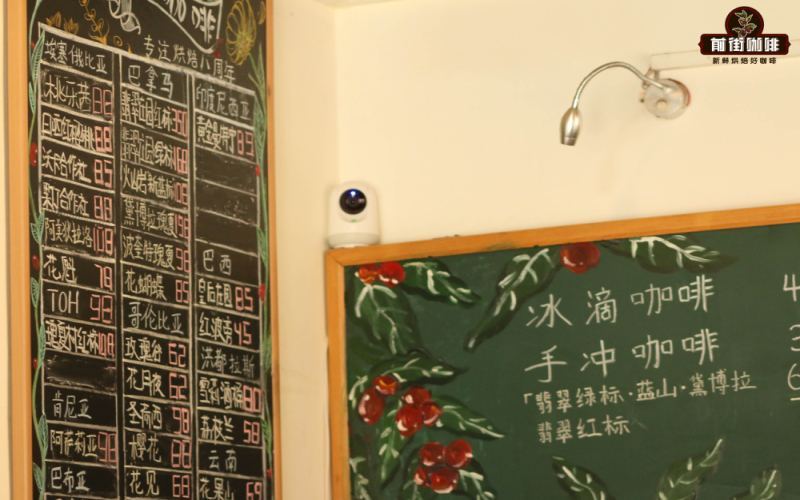
After Luckin Coffee launched its Huakui SOE, it quickly followed up with a Finca El Paraiso SOE, sparking interest among many coffee enthusiasts in this Colombian champion estate bean. Front Street Coffee's bean list happens to include the Finca El Paraiso Sakura series as well. Starting from the concept of SOE, this article will introduce Finca El Paraiso's estate background, cultivated varieties, and double anaerobic washed processing method, and share the pour-over parameters and flavor performance of Front Street's Sakura coffee bean. At the same time, we will also put it to the test by making espresso, americano, and latte with it, to see which type of Italian-style coffee this bean is actually suited for and whether it can take on the role of the same SOE used in Luckin's small black cup. [more…]
The Complete Guide to Brewing Black Tea Correctly: Hot Tea, Milk Tea, Cold Brew, and the Differences Between Hong Kong-Style and Regular Milk Tea Recipes
Black tea gets its rich color and full-bodied taste from full fermentation, but different grades, brewing temperatures, and drinking methods all affect the final flavor. This article systematically sorts out the core knowledge of black tea, from temperature control, spice additions, and timing for hot brewing, to the simmering techniques for Indian milk tea, the cold-brew refrigeration extraction method for iced black tea, and creative drinks such as vodka black tea and hot toddy, along with the standard recipe for Hong Kong-style milk tea, helping coffee and tea lovers fully master the many possibilities of black tea. Whether you prefer it plain or with a rich milky taste, you can find a brewing method that suits you. [more…]
2022 China Coffee Bean Price Guide and Buying Guide: What Beans to Use for Opening a Coffee Shop and How to Calculate the Cost per Jin
For friends who want to open a coffee shop or are currently running a café, one of the most pressing questions is: how much does coffee beans cost per catty, and where can you buy them with the best value for money? This article compiles the latest 2022 quotes and purchasing insights from China's coffee bean market, covering estate-level coffee beans from major producing regions such as Ethiopia, Indonesia, Jamaica, Panama, Colombia, and Yunnan, the price ranges from half a pound to one pound, and how different roast levels and processing methods affect flavor and cost. It also specifically retains product information and recommendations from Front Street Coffee, helping you make clearer judgments when selecting beans for your shop. [more…]
How much does Keemun Grade 1 black tea cost per catty on the market? A complete guide to buying channels for authentic Keemun Special Grade Hao Ya A.
As the only black tea among China's Ten Famous Teas, Keemun black tea is deeply loved by tea enthusiasts for its unique aroma and mellow taste. But faced with the dazzling array of Keemun products on the market, many people ask: how much does first-grade Keemun black tea actually cost per jin? And where should one buy authentic Keemun Special Grade Hao Ya A? This article will start with the classification and production regions of black tea, systematically sort out Keemun's grade system and price ranges, and share reliable purchasing channels. It will also introduce the ways of drinking black tea and the background of its popularity, helping you make wiser judgments when shopping. Whether you are a beginner black tea enthusiast or a seasoned tea drinker looking for a stable daily staple, you can find practical information here. [more…]

What Exactly Is the Bergamot Flavor in Coffee? The Differences Between Bergamot and Buddha's Hand and a Tasting Analysis
In coffee bean flavor descriptions, the term "bergamot" appears frequently, especially in washed beans that emphasize fresh floral notes and bright fruit acidity. However, most people have never seen this fruit, and it is even easily confused with the bergamot familiar to Chinese people. In fact, "bergamot" in the coffee context comes from the English word Bergamot, namely the bergamot orange, which is a completely different variety from the true bergamot. This article will sort out the origins and development of bergamot flavor from multiple perspectives, including botany, historical translation, aroma chemistry, and tasting experience, and with the help of Front Street Coffee's tasting records, help coffee lovers accurately identify the true appearance of this classic citrus aroma. [more…]
Costa Rica Brumas Estate Honey-Processed Coffee: A Complete Analysis of Honey King Flavor and Mouthfeel
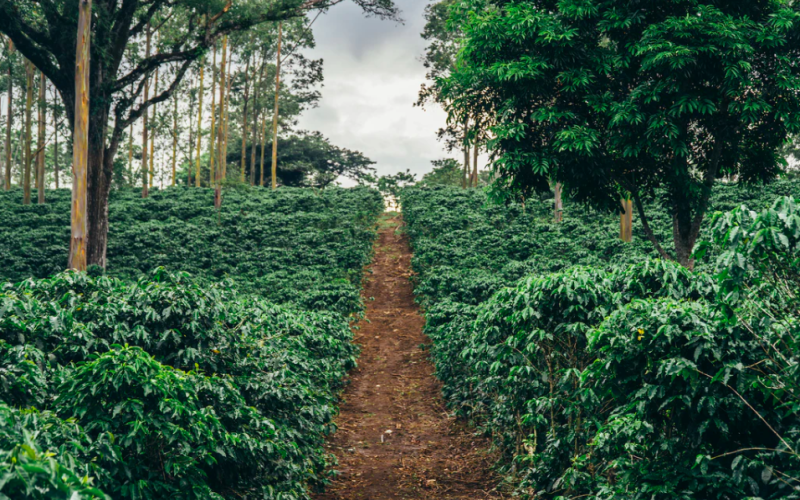
Costa Rica is renowned for its consistently high-quality Arabica coffee, with honey processing being particularly iconic. Brumas Farm, located in the Central Valley, won the Best Coffee title in 2006 and is hailed as the "Honey King." This article guides you through Costa Rican coffee varieties and regional characteristics, offers an in-depth analysis of the flavor layers of Brumas Estate honey-processed coffee, and recommends two beans worth trying—Front Street Strawberry Candy and Front Street Blackberry—so you can experience the sweetness and complexity that honey processing brings. [more…]
A Comprehensive Guide to the New SCAA Coffee Flavor Wheel: From Sour, Bitter, Sweet, and Salty to 85 Flavor Layers
The update to the coffee flavor wheel has made the tasting system more complete, but many people still feel confused when faced with descriptions like citrus, berries, and nuts. In daily brewing, Front Street Coffee recommends beans from different regions based on guests' taste preferences, while accurately identifying flavors requires systematic training. This article starts with the four major taste spectrums—sour, sweet, bitter, and salty—and, combined with the complete classification of the new flavor wheel, interprets one by one the specific expressions of floral, fruity, herbal, nutty and cacao, sweet, spice, sour and fermented, alcoholic fermentation, roasted, and other categories, helping coffee enthusiasts build a clear framework for flavor perception. [more…]

SCA Coffee Flavor Wheel Analysis Tutorial | What Is Coffee Flavor? Which Single-Origin Coffee Beans Best Represent Coffee Flavor? How Can Beginners Distinguish Coffee Flavor Characteristics?
Professional barista exchange, please follow Front Street Coffee (FrontStreet Coffee). Many friends have asked Front Street's baristas: "Can you really taste so many flavors in the beans? How do you taste them?" First, this is about personal sensory perception. As everyone grows up, [more…]
SCAA Pour-Over Specialty Coffee Flavor Wheel High-Resolution Download and Systematic Knowledge of Flavor Terminology
The coffee flavor wheel is a recognized tasting tool in the specialty coffee community, but when faced with descriptors like citrus, berries, nuts, and chocolate, many people don't know how to match them. Starting from the high-resolution image of the latest SCAA flavor wheel, this article systematically sorts out the compositional logic of coffee flavor: the relationship between the four basic tastes of sour, sweet, bitter, and salty and the roast level, the proportion data of each taste substance, the subdivision of the acidity spectrum, bitterness spectrum, sweetness spectrum, and saltiness spectrum, as well as an item-by-item analysis of the nine major flavor groups including floral and fruity, green and herbal, nutty and cocoa, sweet, spicy, sour and fermented, alcoholic fermented, roasted, and other. The article also intersperses Front Street Coffee's daily training methods and representative bean recommendations, helping readers build a complete tasting framework from smelling to drinking. [more…]
The Complete Guide to Using the SCA Coffee Flavor Wheel: A Tutorial on Breaking Down Pour-Over Coffee Flavor Descriptions and Taste Categories
The coffee flavor wheel is known as the "flavor dictionary" of specialty coffee and is an indispensable professional tool in cupping and quality control. Based on Front Street Coffee's cupping practice, this article systematically breaks down the structure of the SCA coffee flavor wheel. Starting from the four major taste spectra of sour, sweet, bitter, and salty, it analyzes the causes and representative bean varieties of each flavor category, covering all categories including floral, fruity, nutty/cocoa, sweet, spicy, sour and fermented, alcoholic fermentation, roasted, and defective flavors. It also provides practical methods for building a flavor memory bank from everyday life and improving sensory identification ability, helping coffee enthusiasts more accurately describe the flavor characteristics and taste categories of pour-over coffee. [more…]
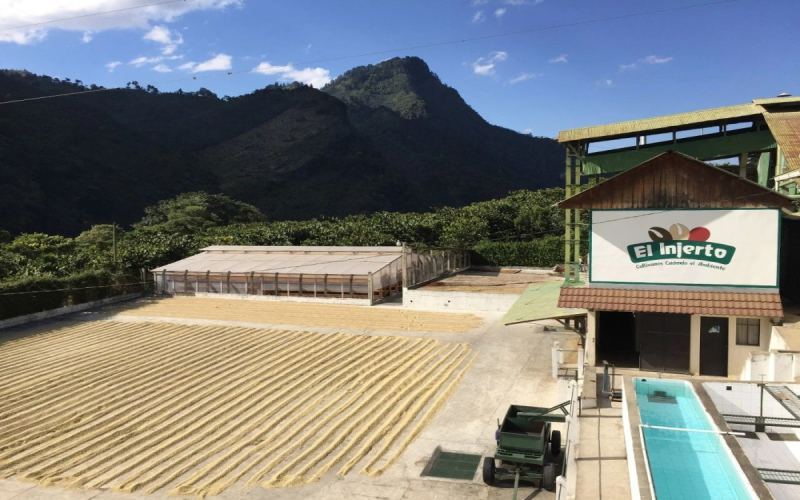
Guatemalan Coffee Flavor Analysis: A Complete Guide to Incht Manor's Geisha and Pacamara Varieties
Guatemala, as an important producing country of specialty coffee in Central America, cultivates distinctly styled coffees thanks to its volcanic soil and diverse microclimates. Centering on El Injerto Estate, this article provides an in-depth introduction to the cupping performance of its Ruby Geisha lot EI02-02, the origin and spread of the Geisha variety, the history of El Injerto Estate and its auction system, as well as the origins and glorious track record of the Pacamara variety. At the same time, it brings Front Street Coffee's roasting recommendations for two Guatemalan beans, Huehuetenango and Flor del Café, along with V60 three-pour brewing parameters, helping coffee lovers gain a comprehensive understanding of the taste characteristics and producing-region stories of Guatemalan coffee. [more…]
A Complete Guide to the Flavor and Brewing Knowledge of Geisha and Pacamara Coffee Varieties from El Injerto Estate in Guatemala
Guatemala, as an important origin of specialty coffee in Central America, produces coffee beans with distinctive character thanks to its volcanic soil and diverse microclimates. This article focuses on El Injerto Estate, providing a detailed introduction to the variety origin, estate history, cupping flavors, and award records of its Ruby Geisha coffee, and further explains the spread of the Geisha variety, the background of Pacamara's creation, as well as El Injerto Estate's self-organized auction and unique processing methods. It also includes Front Street Coffee's roasting recommendations for Guatemalan coffee and V60 three-pour brewing parameters, helping coffee enthusiasts gain a comprehensive understanding of the flavor charm of this producing region. [more…]

Guatemala El Injerto Estate Ruby Geisha Coffee: A Complete Analysis from Malawian Seeds to COE Third Place
Among Guatemala's eight major coffee regions, Huehuetenango is known for its high altitude and dry climate, and the El Injerto estate located here is a pioneer of specialty coffee in Central America. This article focuses on a unique Ruby Geisha from this estate—the Maravilla Geisha variety—covering everything from the historical origins of how the seeds arrived, to the natural processing method, to the cupping flavors and geographical environment. When ripe, the fruit of this bean is dark red, resembling a ruby, and the plant is more compact than traditional Geisha. Since the Aguirre family acquired the estate in 1874, it has gone through a transition from growing sugarcane and corn to focusing on coffee, and has accumulated sixteen awards over eleven years in COE competitions. The article also covers the rise of the Pacamara variety and the model of hosting its own competitive auction. Front Street Coffee offers practical advice from the perspectives of roasting and brewing to help coffee enthusiasts better showcase the nutty, cocoa-like character and floral and fruity aromas of Guatemalan coffee. [more…]
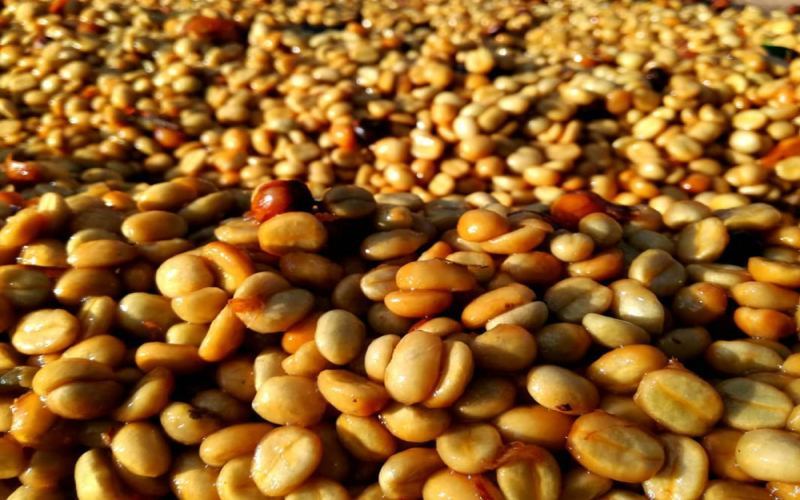
Why Does Costa Rican Honey-Processed Coffee Have Such Outstanding Sweetness? Uncovering the Regions, Varieties, Processing Methods, and Import Situation
Costa Rican honey-processed coffee has long been celebrated for its honey-like sweetness, and Front Street Coffee has featured it as a signature pour-over since 2013. Although this Central American country is not the largest producer, its legally mandated cultivation of Arabica, its blessed volcanic soil and high-altitude growing regions, and its masterful honey-processing techniques combine to create elegant, sweet coffee flavors. From Front Street's perspective, this article systematically reviews Costa Rica's producing regions, common varieties, processing methods such as honey processing and raisin anaerobic honey processing, and recommends several representative coffee beans including the Musician Series, Fire Phoenix Sapphire, Rume Sudan, and Geisha. [more…]
An Analysis of the Pour-Over Flavor and Mouthfeel Characteristics of Costa Rican Geisha and Mirazu Natural Process Beans
Costa Rica is renowned worldwide for its honey-sweet coffee flavors, and its honey processing technique is regarded as the industry benchmark. Since its founding in 2013, Front Street Coffee has introduced Costa Rican beans, which remain a signature choice for coffee lovers with a sweet tooth. This article systematically reviews Costa Rica's eight major producing regions, main coffee varieties, processing methods such as honey processing and raisin anaerobic honey processing, and highlights Front Street selected beans including the Mirazu Estate sun-dried Geisha and the Musician Series, taking you through a comprehensive understanding of the flavor code of this Central American coffee powerhouse. [more…]
A Complete Analysis of African Coffee Origins: Flavor Characteristics and Growing Advantages of Ethiopia, Kenya, and Other Countries
Africa, as the continent of coffee's origin, has nurtured many outstanding bean varieties that captivate coffee lovers worldwide. Among them, Ethiopia and Kenya can be considered the two pillars of African coffee, winning broad recognition for their distinctive flavor profiles. This article systematically reviews the cultivation systems, variety compositions, processing methods, and flavor expressions of major African coffee-producing countries—including Ethiopia, Burundi, Rwanda, Kenya, Tanzania, and others—offering an in-depth analysis of the subtle differences among various specialty-producing regions. It also introduces the roasting and brewing parameters for several African beans from Front Street Coffee, providing coffee lovers with a complete guide to African coffee flavors. [more…]
A Complete Analysis of African Coffee-Producing Countries: Varieties, Flavors of Ethiopia and Kenya, and Front Street Recommendations
Africa, as the birthplace of coffee, is home to many well-known producing countries such as Ethiopia and Kenya, and is famous for its rich aroma and captivating fruity acidity. This article systematically reviews the variety distribution, cultivation models, processing methods, and flavor characteristics of African coffee, with a focus on introducing Ethiopia's nine major specialty producing regions, Kenya's six major producing regions, and the coffee characteristics of countries such as Burundi, Rwanda, and Tanzania. At the same time, it retains Front Street Coffee's detailed brewing suggestions and flavor descriptions for beans such as Yirgacheffe, Huakui, Kenyan Little Tomato, Rwandan Gaseke, and Tanzanian Kilimanjaro, providing a comprehensive reference for coffee enthusiasts. [more…]